You don’t always see the weak points until after someone’s tested them. A shed door that bows with pressure, a garage side entry with a flimsy deadbolt, or a rusted padlock hanging from a bent hasp. Most outdoor structures aren’t built with home security in mind, but the right lock solutions can turn a potential break-in into a failed attempt. Choosing a reliable security solution early helps deter easy access and reduces long-term risks.
If you’re in Omaha, where icy winters freeze more than just your car battery and local crime rates flicker up and down, rethinking your front-door security isn’t a paranoid move—it’s practical.
This decision involves more than choosing a “high-tech” gadget or sticking with something familiar. It involves understanding how these locks fit into how you live day-to-day, how much control you want, and how much trust you’re putting in keys, codes, apps, or plain metal.
Your kid can unlock an iPad in two seconds and find their favorite show with their eyes closed. But can they lock the front door? Can they spot something weird around the house and speak up? Digital smarts are one thing—real-world awareness is another.
That’s where teaching home security to kids becomes a must, not an afterthought.
We’re not suggesting you turn them into mini SEAL team members. But you’ll need to give them tools to feel confident when you’re not around.
You lock your doors and even double-check them before bedtime. This is how you keep your family safe. But did you ever stop to consider why an individual would break into your home? More importantly, what exactly is on their mind when they do it? Burglars aren’t just shadowy figures targeting your TV. Some are calculated, and others are opportunists. Sometimes, there are other motivations unrelated to money. Are you genuinely committed to fortifying your home and making it burglar-proof? You need solutions that offer more than locks and cameras alone. It starts with thinking like a burglar and outlining motives for you to enhance security for you and your family.
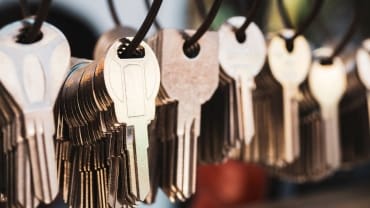
Copying a key sounds easy—until someone tells you they can’t do it. Suddenly, you’re holding a metal object with legal boundaries, and no one explains why. The difference isn’t always clear until you’re already standing at the hardware counter and getting turned away. Why are some keys fair game while others are locked behind legal restrictions or company policies? This guide breaks down the basics of key duplication laws. Get the real reasons some keys are restricted, how laws vary depending on your state or city, and why different shops have different rules. Get straight to the point; there is no fluff info on key duplication laws.
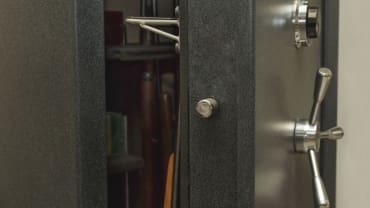
A home safe is designed to be the ultimate in asset protection. It’s the place in your home where you can rely on your valuables, paper records, and emergency money to stay safe and secure. However, even the best model won’t be effective if you never do the essential maintenance on the safe. Dust piles up, hinges rust, and before long, that once-reliable lock snaps the key when you go to give it a turn. Ignoring routine maintenance turns a critical home safety feature from a reliable device into a liability. Routine safe Maintenance and Combination Changes keep all locking components running smoothly, and changing the combination is a good best practice to prevent unauthorized access.
A cheap lockbox may keep things neat, but don’t expect it to hold up when things go bad. Making the wrong choice can come back to haunt you. Some safes are resistant to heat but let water in. Knowing which model to go for and choosing the right safe could mean the difference between safeguarding your assets and a total loss.
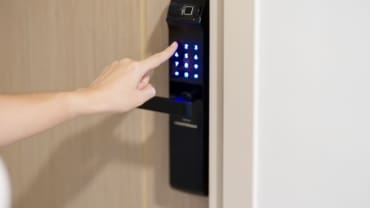
Locksmithing is one of the world’s oldest professions, with evidence of ancient locks dating back to Ancient Egypt. Over time, locks have evolved from simple wooden mechanisms to intricate gear systems, eventually giving rise to the modern padlock. Today, advancements in security technology have led to fingerprint recognition and smart locks becoming increasingly common. As locks have evolved, so has locksmithing. Skilled locksmiths can navigate virtually any locking mechanism in an emergency. If you’ve ever needed a locksmith, you’re far from alone—people have relied on locksmiths for thousands of years. Let’s explore the evolution of locksmithing, from the early days of traditional keys and padlocks to today’s high-tech keyless systems.
Winter comes with special preparation against the cold weather. However, this doesn’t just mean winterizing the home and preparing the pipes. Being winter-ready extends to better security measures specifically for a safer winter. Seasons change more than just environmental conditions. The switch also changes routines and crime rates; sometimes, this can be the gap for an opportunistic criminal. How do you make sure your home is safe for the coming winter? Here’s more on winter security and preparing your home for the cold season.
Is hiring a locksmith really worth the money? Can’t you just handle the job of replacing or fixing a lock yourself? You might want to think twice before trying to do a locksmith job yourself and consider these reasons to hire a pro for the job. What are the benefits of a professional locksmith vs a DIY lock repair job? Use this helpful guide to learn why hiring a professional locksmith if oftentimes the best choice.