
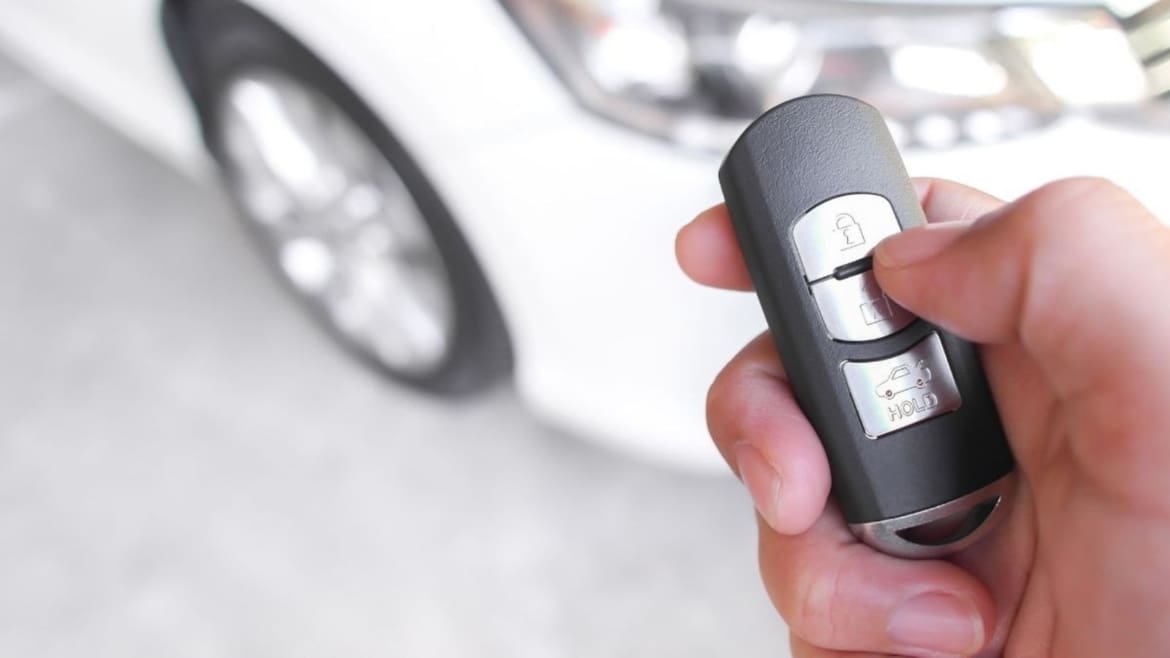
If your car key stops working, act quickly to get moving again and avoid surprises later. Start with the basics: replace the battery, test a spare key, and inspect the fob for visible damage or signal interference. These quick checks resolve most car key issues. If these steps don’t work, reprogramming or professional help may be needed, especially for modern key fobs.
Learn fast fixes you can try yourself, signs that point to deeper issues, and tips to prevent the problem from happening again. Follow the clear troubleshooting steps to save time and avoid unnecessary trips to the dealer.
What to Do If Your Car Key Stops Working: Proven Solutions
Immediate Steps When Your Car Key Stops Working
Act quickly and check a few likely causes: the key fob battery, a spare or mechanical key, visible damage, and the car’s battery or receiver. These checks often find the problem without tools or calls to a locksmith.
Check the Key Fob Battery
First, try replacing the key fob battery. Most fobs use coin cells like CR2032 or CR2025. Open the fob with a small screwdriver, note the battery orientation, and swap in a fresh battery from a store.
If the fob has a weak signal, hold it close to the car’s start button or door handle while testing. Many cars accept a weak fob when it touches the sensor. If replacing the battery fixes nothing, the issue may be the internal electronics or programming.
Keep the old battery to compare voltage if needed. If the case is corroded or wet, dry and clean the contacts with isopropyl alcohol before reinserting the new battery.
Test a Spare Key Fob or Mechanical Key
Next, try a known-good spare key fob or the mechanical key inside the fob. If the spare works, the original fob likely has a battery, chip, or internal fault. Using a spare narrows the problem quickly.
Use the mechanical key to unlock the door and, if the car has a push-button start, press the fob against the start button to bypass a weak battery. If no spare exists, call an automotive locksmith to cut and program a replacement. A locksmith often costs less than a dealer for reprogramming.
Document any differences: buttons that don’t click, loose casing, or intermittent response. This detail helps a locksmith or dealer diagnose whether reprogramming, repair, or full replacement is needed.
Inspect for Physical or Internal Damage
Check the fob for cracks, water exposure, or loose buttons. A cracked case or wet internals can break the transponder chip or circuit board. If the fob shows corrosion, remove the battery and dry the parts for at least 24 hours using silica packets or rice.
Open the fob carefully and look for broken solder joints or displaced components. Do not use excessive force; tiny parts can fall out. If the transponder chip is loose or the circuit board is damaged, professional repair or a new key fob is usually required.
If the plastic shell is broken but the electronics look intact, temporarily secure the case with tape and test the fob. Note that temporary fixes can fail; contact an automotive locksmith for permanent repair or replacement if the problem persists.
Assess Car Battery and Receiver Issues
Check the car’s electrical system if the fob seems fine. Dim headlights or dead interior lights point to a weak car battery. Try jump-starting the car; if it starts afterward, the battery was likely the issue affecting the receiver or ignition.
Inspect battery terminals for corrosion and tightness. A loose negative cable can prevent the car’s immobilizer or receiver from reading the key fob. Tighten connections and clean terminals with a baking soda solution if needed.
If the car battery is healthy, consider receiver interference or a faulty receiver module. Move the car away from large electronics and try again. If the receiver still won’t read any fob, professional diagnostics by an automotive locksmith or dealer may be required.
Troubleshooting and Preventing Future Car Key Problems
Learn clear steps to fix common key issues and ways to avoid them. It covers signal interference, cleaning methods, reprogramming or replacing fobs, and habits that reduce wear or loss.
Address Signal Interference and Radio Frequency Issues
Signal problems often come from radio frequency (RF) interference or nearby electronics. They can block the fob’s signal so the car won’t unlock or start. Move away from other devices and metal structures; try the fob within a few feet of the driver door or push-button start to test range.
Check for nearby sources like cell towers, Wi‑Fi routers, garage door openers, or strong magnets. If the car behaves differently after other electrical work or a new battery, the vehicle’s receiver may need inspection. A dealer or an automotive locksmith can measure RF strength and reconfigure the receiver if needed.
If interference is ruled out and the spare fob works, the issue is likely the original fob. Record when the problem started and any recent changes (battery swap, electrical service), as that helps a technician diagnose RF or receiver faults faster.
Clean Fob Contacts and Key Components with Isopropyl Alcohol
Dirt and corrosion on battery contacts or buttons often cause intermittent operation. Open the fob using the slot or screws provided by the manufacturer, then remove the battery carefully. Use a cotton swab lightly dampened with 70–90% isopropyl alcohol to clean the battery contacts, circuit board edges, and button pads.
Avoid soaking the board or using abrasive tools. Let components dry fully (usually a few minutes) before reassembling. If the fob shows green or white residue, gently scrape the corrosion with a plastic pick, then clean with isopropyl alcohol again.
Inspect the physical key and keyring for damage. Bent keys or heavy keychains can stress the fob shell and internal clips. Replace a cracked shell or worn buttons to prevent moisture intrusion and further damage.
Reprogram or Replace the Car Key Fob
A dead key fob battery often fixes the problem, but reprogramming may be necessary after battery replacement or car battery disconnects. Check the owner’s manual for DIY reprogram steps; many modern cars require dealer or locksmith tools to sync a fob to the vehicle’s immobilizer.
If multiple buttons fail, the casing is damaged, or cleaning doesn’t help, consider replacement. An automotive locksmith can cut keys, program transponder chips, and pair new fobs at a lower cost than a dealer in many cases. Have the vehicle VIN, proof of ownership, and both keys (if available) ready to speed service.
When replacing, choose OEM or reputable aftermarket fobs and confirm compatibility with the car’s make, model, and year. Ask the locksmith or dealer to verify that the old fob is erased from the car’s memory if security is a concern.
Prevent Wear, Damage, and Loss
Small habits reduce future car key problems. Replace batteries every 3–4 years or at the first sign of weak range. Keep the fob away from water and extreme heat. Store it in a pocket or soft case instead of on a heavy keyring to avoid stress on internal tabs.
Limit exposure to magnets and strong RF sources, and avoid dropping the fob onto hard surfaces. Program and keep a spare fob in a safe place; having a spare prevents lockouts and helps technicians identify whether the fault is with the fob or the car.
For lost or damaged keys, contact an automotive locksmith for emergency service and reprogramming. They can often respond faster and cost less than a dealer while providing secure replacement and programming.
Carl Jarl Locksmiths | Home Security Systems Omaha, NE
Carl Jarl Locksmiths can secure your business with panic bars, exit locks, card access systems, and more. We guarantee our locks and offer 24/7 service to keep your business safe at all times.
Always use the services of a trusted local Locksmith/Home Security Company. Carl Jarl Locksmiths offers products and services to make your home safe and secure. Your Security is our top priority.
- We are licensed, bonded, and insured
- Provide an immediate response
- We have a 24-hour locksmith dispatch center
- All our employees are background checked, wear uniforms, and arrive in our identifiable service vehicles
Choose experience and peace of mind. Carl Jarl Locksmith’s prompt and dependable Locksmith Service is just a phone call away.

